IB Curriculum – Introduction
IB Curriculum is often considered a premium and demanding education system, leaving many parents and students with one big question: IB Curriculum – is it really worth it? IB Curriculum promises global exposure, academic excellence, and strong university preparation, but it also comes with challenges like high workload and cost. IB Curriculum decision should be based on long-term goals, learning style, and career aspirations.
IB Curriculum – What Does “Worth It” Really Mean?
IB Curriculum worth depends on outcomes rather than difficulty alone. IB Curriculum is worth it if it develops skills that help students succeed in higher education and careers. IB Curriculum focuses on thinking, research, communication, and adaptability — skills that matter beyond school exams.

IB Curriculum – Pros of IB Curriculum
IB Curriculum – Global Recognition Advantage
IB Curriculum is recognized by top universities across the USA, UK, Canada, Australia, and Europe. IB Curriculum students receive preference because universities trust the rigor and consistency of IB assessment.
IB Curriculum – Strong University Preparation
IB Curriculum prepares students for university-level workload. IB Curriculum teaches research writing, academic referencing, presentations, and critical analysis, making the transition to college smoother.
IB Curriculum – Holistic Skill Development
IB Curriculum goes beyond academics. IB Curriculum builds leadership, teamwork, creativity, and ethical awareness through CAS activities. IB Curriculum students grow emotionally and socially along with academically.
IB Curriculum – Critical Thinking & Problem Solving
IB Curriculum focuses on “how to think” rather than “what to memorize.” IB Curriculum students analyze, question, debate, and apply knowledge to real-world situations.
IB Curriculum – Flexibility in Subject Choices
IB Curriculum allows students to choose subjects based on interests and career goals. IB Curriculum flexibility helps students explore passions early and align studies with future careers.
IB Curriculum – Competitive Edge in Careers
IB Curriculum graduates are known for discipline, independence, and adaptability. IB Curriculum alumni often perform better in interviews, teamwork, and leadership roles.
IB Curriculum – Cons of IB Curriculum
IB Curriculum – Heavy Academic Pressure
IB Curriculum workload can be overwhelming. IB Curriculum students juggle exams, internal assessments, extended essays, and CAS activities simultaneously.

IB Curriculum – High Cost of Education
IB Curriculum schools are expensive. IB Curriculum fees are significantly higher than CBSE or state boards, making affordability a concern for many families.
IB Curriculum – Stress & Mental Health Concerns
IB Curriculum pressure may cause stress and anxiety if not managed properly. IB Curriculum requires strong emotional resilience and support systems.
IB Curriculum – Not Ideal for Rote Learners
IB Curriculum is unsuitable for students who rely on memorization. IB Curriculum requires independent thinking, writing, and research skills.
IB Curriculum – Limited Availability
IB Curriculum schools are mostly located in metro cities. IB Curriculum access may be limited for students in smaller towns.
IB Curriculum – Is IB Curriculum Worth It for Every Student?
IB Curriculum is worth it for students who are curious, disciplined, and goal-oriented. IB Curriculum suits learners who enjoy writing, presentations, research, and discussions. IB Curriculum may not be ideal for students seeking exam-centric or low-pressure education.
IB Curriculum – Career Opportunities After IB Curriculum
IB Curriculum – Careers in Engineering & Technology
IB Curriculum builds strong analytical skills. IB Curriculum students excel in engineering, data science, AI, and computer science due to problem-solving abilities.
IB Curriculum – Careers in Medicine & Life Sciences
IB Curriculum science programs prepare students for medical schools, biotechnology, and research careers. IB Curriculum emphasis on research benefits science students greatly.
IB Curriculum – Careers in Business & Management
IB Curriculum develops leadership and communication skills. IB Curriculum students succeed in MBA programs, entrepreneurship, finance, consulting, and marketing roles.
IB Curriculum – Careers in Law & Humanities
IB Curriculum TOK and essay writing prepare students for law, political science, international relations, and public policy careers.
IB Curriculum – Careers in Arts, Design & Media
IB Curriculum creativity and critical thinking support careers in design, filmmaking, journalism, advertising, and digital media.
IB Curriculum – Global Career Mobility
IB Curriculum supports international careers. IB Curriculum students adapt easily to global work environments due to cultural awareness and communication skills.
IB Curriculum – Return on Investment (ROI)
IB Curriculum ROI should be measured long-term. IB Curriculum graduates often secure better universities, scholarships, and global job opportunities. IB Curriculum skills provide lifetime value, not just exam results.
-
👉 First understand what IB Curriculum really is
-
👉 Learn why IB feels tougher than other boards
-
👉 Check how IB Curriculum helps in top university admissions
IB Curriculum – Role of Parents in Maximizing Value
IB Curriculum parents should focus on emotional support, not pressure. IB Curriculum success improves when parents encourage balance, discipline, and confidence.
IB Curriculum – Comparison with Other Curriculums
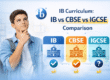
IB Curriculum offers broader skill development than CBSE and ICSE. IB Curriculum competes closely with IGCSE but offers deeper core learning components.
IB Curriculum – Final Verdict: Is IB Curriculum Worth It?
IB Curriculum is absolutely worth it for students aiming for global education, strong careers, and holistic growth. IB Curriculum demands effort, discipline, and investment, but the rewards are long-lasting. IB Curriculum is not easy, but it prepares students for real-world success better than most traditional systems.