IB Curriculum – Introduction
IB Curriculum is one of the most globally recognized education systems designed to develop knowledgeable, curious, and compassionate learners. IB Curriculum focuses not only on academic excellence but also on critical thinking, creativity, global awareness, and real-world problem-solving. IB Curriculum is preferred by parents who want an international standard of education and by students aiming for top global universities.
IB Curriculum – What Is the IB Curriculum?
IB Curriculum stands for International Baccalaureate Curriculum, created to provide a high-quality, challenging, and globally accepted education. IB Curriculum was developed in 1968 and is followed by thousands of schools across more than 150 countries. IB Curriculum is known for its inquiry-based learning approach, which encourages students to ask questions rather than memorize answers.
IB Curriculum – Who Created the IB Curriculum?
IB Curriculum was developed by the International Baccalaureate Organization (IBO) in Geneva, Switzerland. IB Curriculum was originally designed for children of diplomats and internationally mobile families. IB Curriculum later became popular worldwide due to its academic rigor and holistic development model.
IB Curriculum – Structure of the IB Curriculum
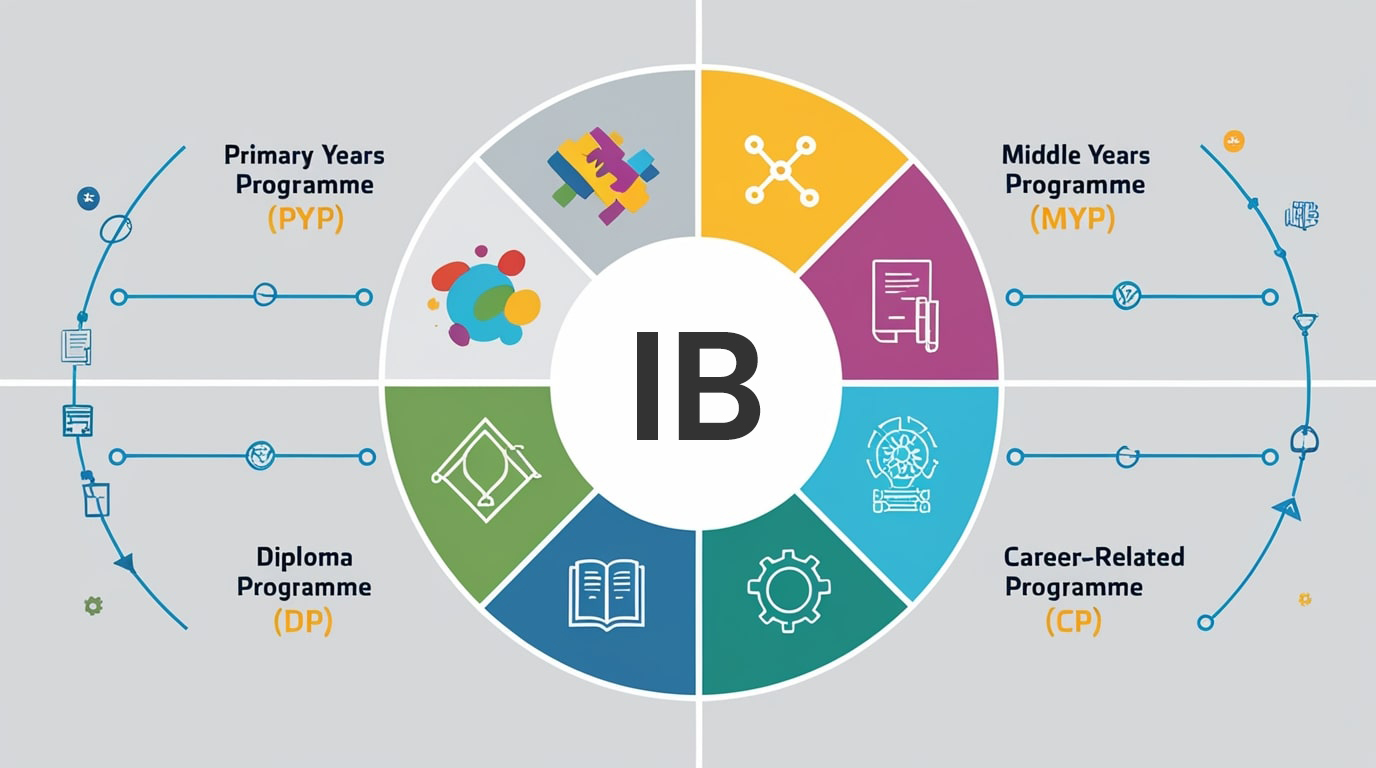
IB Curriculum is divided into four major educational programs based on age groups. IB Curriculum ensures continuity in learning from early childhood to pre-university level.
 IB Curriculum – Primary Years Programme (PYP)
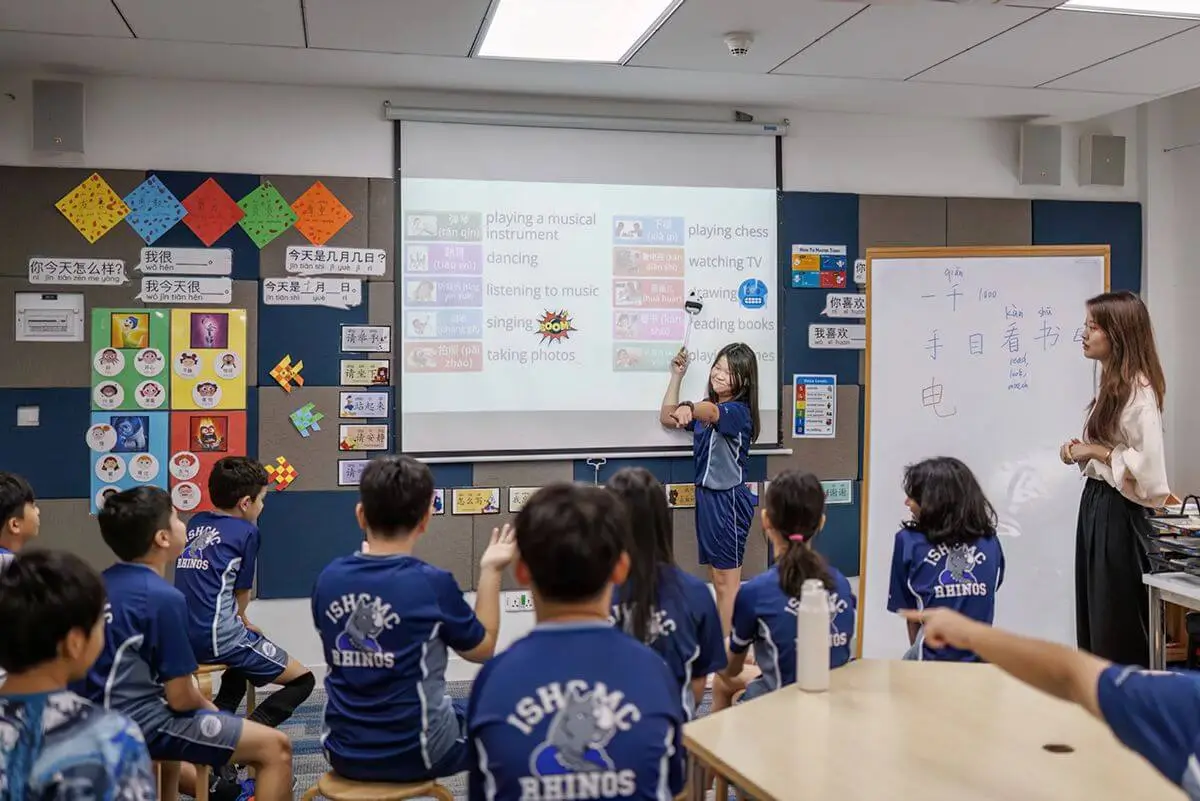
IB Curriculum PYP is designed for students aged 3 to 12 years. IB Curriculum PYP focuses on inquiry-based learning, concept understanding, and social development. IB Curriculum PYP helps children become confident, independent, and responsible learners.
IB Curriculum – Middle Years Programme (MYP)
IB Curriculum MYP is for students aged 11 to 16 years. IB Curriculum MYP encourages interdisciplinary learning and real-world application of knowledge. IB Curriculum MYP develops research skills, communication abilities, and analytical thinking.
IB Curriculum – Diploma Programme (DP)
IB Curriculum DP is a two-year program for students aged 16 to 19 years. IB Curriculum DP is the most popular and academically demanding program. IB Curriculum DP is recognized by universities worldwide and prepares students for higher education.
IB Curriculum – Career-related Programme (CP)
IB Curriculum CP is designed for students interested in career-oriented education along with academic learning. IB Curriculum CP combines practical career skills with IB core subjects.
IB Curriculum – Subjects Offered in IB Curriculum
IB Curriculum offers a wide range of subjects across six subject groups. IB Curriculum allows students to choose subjects based on interests and future career goals.
IB Curriculum – Core Components
IB Curriculum includes three mandatory core elements:
-
IB Curriculum Theory of Knowledge (TOK)
-
IB Curriculum Extended Essay (EE)
-
IB Curriculum Creativity, Activity, Service (CAS)
IB Curriculum core develops research, reflection, and ethical thinking.
IB Curriculum – Teaching Methodology
IB Curriculum emphasizes student-centered learning. IB Curriculum promotes discussions, presentations, projects, and research rather than rote memorization. IB Curriculum helps students become independent learners and global citizens.
IB Curriculum – Assessment Pattern
IB Curriculum uses both internal and external assessments. IB Curriculum assessments include written exams, coursework, oral presentations, and research projects. IB Curriculum grading system focuses on understanding and application, not just exam scores.
IB Curriculum – Benefits of IB Curriculum for Students
IB Curriculum offers several advantages:
-
IB Curriculum improves critical thinking skills
-
IB Curriculum builds global perspective
-
IB Curriculum strengthens communication abilities
-
IB Curriculum encourages independent research
-
IB Curriculum prepares students for university-level education
IB Curriculum – Benefits of IB Curriculum for Parents
IB Curriculum provides parents with confidence that their child receives international-standard education. IB Curriculum supports holistic development, emotional intelligence, and leadership skills. IB Curriculum also offers worldwide recognition, making student mobility easier.
IB Curriculum – Global Recognition of IB Curriculum
IB Curriculum is accepted by top universities including Ivy League colleges, UK universities, Canadian institutions, and Australian universities. IB Curriculum students often receive advanced placement or credit benefits during university admissions.
IB Curriculum – Is IB Curriculum Suitable for Every Student?
IB Curriculum may not suit students who prefer rote learning. IB Curriculum is ideal for students who enjoy research, presentations, writing, and independent study. IB Curriculum requires strong time management and self-discipline.
-
👉 Learn why IB Curriculum is considered one of the toughest curriculums
-
👉 Read our detailed IB Curriculum vs CBSE vs IGCSE comparison
-
👉 Discover how IB Curriculum prepares students for top universities
-
👉 Explore common IB Curriculum challenges and solutions
-
👉 Decide if IB Curriculum is worth it for your child
IB Curriculum – Cost and Availability
IB Curriculum is generally more expensive than national boards like CBSE. IB Curriculum schools charge higher fees due to international training, resources, and assessment costs. IB Curriculum is mostly available in international and private schools.
IB Curriculum – Final Verdict
IB Curriculum is a powerful education system designed to prepare students for global success. IB Curriculum focuses on academic excellence, personal growth, and international mindedness. IB Curriculum is an excellent choice for families seeking world-class education.